United Kingdom / journal
Choice Architecture & Behavioral Economics Principles
UK guide to choice architecture principles and behavioral economics. Learn nudging, decision-environment design, incentives and practical behavioral interventions.
This article explains choice architecture principles and how behavioral economics UK approaches can help shape better decisions. It uses clear language and everyday examples so you can see how nudging behavioral science and human choice psychology work in practice. You will also learn simple design ideas for decision environment design, psychological incentives and consumer choice behavior, plus practical behavioral intervention strategies you can apply in public policy, businesses or daily life.

What is choice architecture?
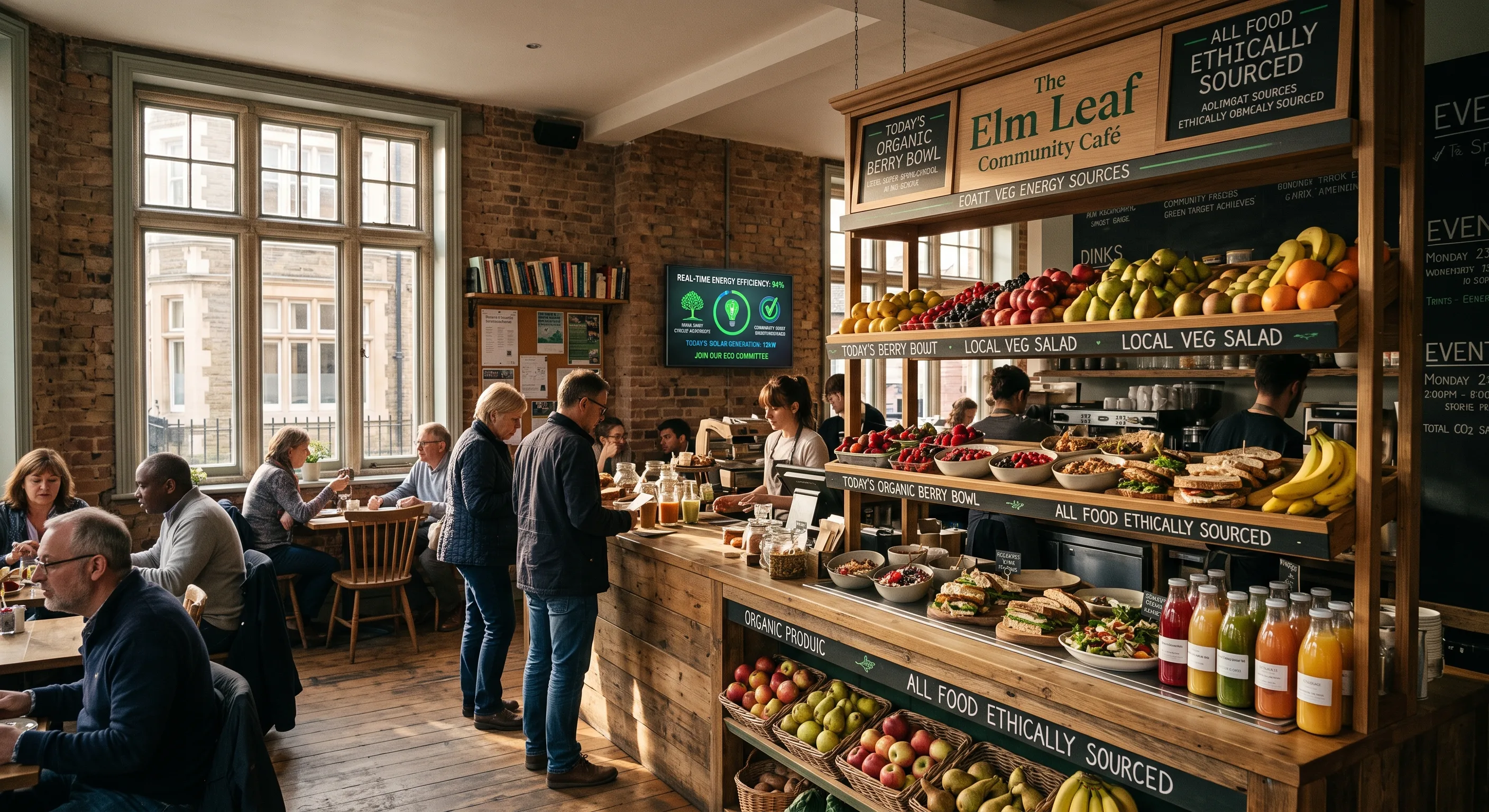
For example, putting fruit at eye level in a school canteen makes pupils more likely to pick it. The position, description and default options all form part of the choice architecture. The idea is rooted in behavioral economics UK thinking: people are not fully rational calculators and small changes in the environment influence real behaviour.
Core choice architecture principles

Several simple principles guide effective choice architecture. They come from nudging behavioral science and human choice psychology and are easy to use once you know them.
- Defaults: People often go with the default option. Making the best option the default greatly increases uptake. For instance, automatic enrolment into workplace pension schemes raised savings rates in the UK.
- Simplification: Reduce complexity. Fewer steps and clearer information help people act. Simple forms, clear labels and short lists work better than long, confusing options.
- Salience: Make important information easy to notice. Use clear headings, bold numbers and plain language to draw attention to what matters.
- Feedback: Timely feedback helps people understand consequences. Real-time fuel efficiency displays or energy monitors prompt changes in behaviour.
- Social norms: People follow what others do. Saying "most people in your area pay on time" can increase bill payments.
- Framing: The way choices are described changes decisions. Saying "90% fat-free" feels different to "contains 10% fat" even though they mean the same thing.
- Priming and cues: Subtle cues in the environment influence choices, like music, lighting or images that guide mood and behaviour.
How behavioral economics applies in the UK
Examples in the UK include automatic pension enrolment, using text reminders to reduce missed medical appointments, and clearer tax letters that increase compliance. These interventions rely on understanding human choice psychology: people have limited attention, are influenced by defaults and social norms, and respond to simple cues.
Behavioral economics UK work tends to emphasise ethics and testing. Interventions are usually trialled on small groups before wider rollout. That helps check whether a nudge is effective and fair.
Designing decision environments and psychological incentives
Designing the decision environment means thinking about where and how people make choices. Use the following practical steps:
- Map the choice: Identify who decides, where decisions happen, what information they have and what barriers exist.
- Set clear goals: Decide what outcome you want. Is it more saving, healthier eating, higher recycling or fewer missed appointments?
- Choose suitable principles: Pick defaults, simplification, salience or social norms based on the goal and context.
- Design psychological incentives: Incentives do not mean only money. Timely praise, small rewards, public recognition or making progress visible can be powerful.
- Prototype and test: Try small trials (A/B tests) to compare designs. Measure effects and adjust before scaling up.
For consumer choice behavior, consider the shopper's journey. At what point do they decide? What information matters most? Use clear labels, short menus and defaults to guide choices without reducing freedom.
Examples of nudging and behavioral intervention strategies
Seeing how these ideas work in practice helps. Below are a few simple examples that show how to apply choice architecture principles and behavioral intervention strategies.
1. Healthier food choices
In canteens and supermarkets, place healthier options at eye level and make them more visible. Use clear, appealing labels that say "staff favourites" or "popular choice". Offer smaller plates to reduce portion sizes. These nudges rely on salience, defaults and portion cues.
2. Saving for retirement
Automatic enrolment into pension schemes is a classic default nudge. When employees are enrolled by default, most stay in and save more. Combining this with simple, clear statements about employer contributions and projected pension income uses simplification and salience to boost better long-term choices.
3. Paying taxes and bills
Simple text reminders, clearer bills and statements that use social norms ("9 out of 10 people in your neighbourhood pay on time") increase on-time payments. Small, timely prompts and well-designed forms reduce friction and improve compliance.
4. Energy use
Giving households feedback that compares their energy use with neighbours can lower consumption. The social norm message combined with real-time feedback makes people more aware and prompts small, sustained changes.
Measuring success and ethical considerations
Good choice architecture is evidence-based. Always measure results and be transparent about methods. Common evaluation steps include:
- Run randomised trials or A/B tests where possible.
- Collect outcome data and monitor over time.
- Look for unintended consequences, such as increased inequality or reduced choice for some groups.
Ethics matter. Nudging should preserve freedom of choice, be transparent and aim to improve welfare. In the UK, many organisations follow principles that emphasise consent, fairness and clear communication. If a nudge hides information or manipulates vulnerable people, it risks being unethical.
Practical tips for everyday use
You do not need formal training to apply basic choice architecture principles. Try these simple steps at home or in small projects:
- Make the right option the easiest option. For example, keep a recycling bin near where waste is produced.
- Simplify forms and choices. Ask only for essential information and use clear labels.
- Use defaults for routine decisions, like setting energy-saving modes on devices.
- Give immediate feedback. For example, track progress towards a goal and show it visually.
- Use social proof: share stories of people who have made the change you want others to try.
These practical nudges use human choice psychology to reduce friction and encourage better behaviour without coercion.
Further reading and resources
If you want to learn more, look for accessible books and resources on behavioral science, nudging and decision design. Many UK government and university sites publish plain-language guides and case studies showing trials and outcomes. Local councils, charities and businesses often share practical examples relevant to consumer choice behavior and public services.
Choice architecture principles and behavioral economics provide practical ways to design better decision environments. Whether you work in policy, business or daily life, small changes using nudging behavioral science and clear decision design can make a big difference for consumers and communities across the UK.
FAQ
What is the difference between nudging and coercion?
Nudging changes the environment to make certain choices easier or more likely. It does not remove options or force behaviour. Coercion uses rules, bans or penalties to make people act a certain way. Nudges keep freedom of choice while guiding decisions.
Can choice architecture work for important social issues?
Yes. Choice architecture and behavioral intervention strategies have been used to increase vaccinations, improve tax compliance, boost savings and reduce energy use. They work best alongside clear policy and services, not as the only tool.
Are nudges always ethical?
Not always. Ethical nudges are transparent, respectful and aim to improve welfare. If a nudge hides information, targets the vulnerable or benefits only the nudge-maker unfairly, it can be unethical. Testing and public oversight help keep interventions fair.
How do you test whether a nudge works?
Use simple trials like A/B tests. Compare outcomes for a group exposed to the nudge and a control group. Measure real behaviour, not just intentions, and track results over time to see if changes persist.
Where can I learn more about behavioral economics UK and human choice psychology?
Look for UK academic centres, government behavioural units and introductory books on behavioral economics and nudging. Workshops, online courses and short reports from research institutes are good starting points to apply these ideas responsibly and effectively.